
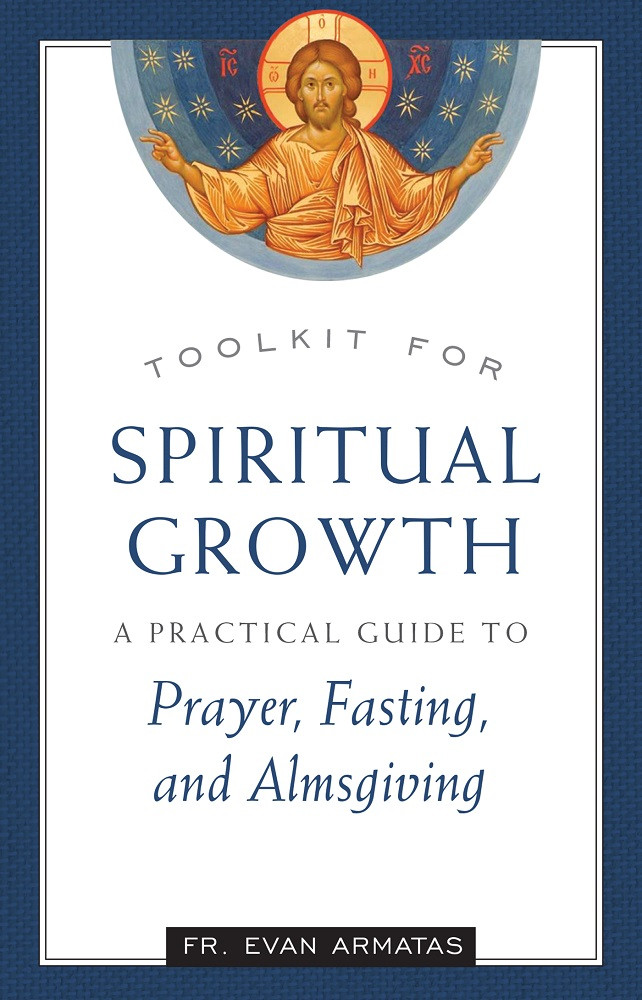
 Lent is a time for focused prayer. Don’t get me wrong, prayer is always essential to Christian discipleship, growth, community, and life. But, Lent is intended to be a time of deepening prayer, especially that prayer which leads to a change of life.
On my bookshelf, I have several books on prayer, and I’ve read many of them. However, prayer is like playing an instrument or any sport. The real question isn’t, “How many books have you read?” but rather, “How much have you practiced?” Prayer isn’t mainly about knowledge; it’s about practice. The best way to learn to pray is simply to pray.
Throughout my ministry, I treasured the weekly practice of including a prayer list in our bulletin, which we prepared together as a staff to support and uplift our congregation. Every Tuesday at 9:30, a dedicated group of staff members gathered in prayer, creating a special sense of community. Years ago, during a denomination transition, we started holding heartfelt prayer vigils on the first Friday of each month, providing a prayer guide outside the chapel and hosting services at 7:00, 12:00 noon, and 6:00 in the evening. Although attendance varied, these prayer days were meaningful moments for us to pray for our church, community, and the world all day long. The Session also regularly set aside time to pray for our church’s needs during each meeting, often for an extended period, which we found deeply encouraging. Additionally, our Men’s Saturday reunion group spent the first Saturday of each month in prayer, meditation, and seeking to strengthen their connection with God, fostering a wonderful sense of fellowship and spiritual growth.
Paul’s Good Advice.
In this blog, I want to begin with a verse from Philippians. The Philippian church was a lively and supportive community, standing firmly with Paul during tough times. They were genuinely generous, giving freely to help the church in Jerusalem when it needed it most. Like any church, they weren’t perfect—after Paul’s departure, they faced challenges such as false teachers and other struggles. As we examine today’s passage, it’s clear that two members, Euodia and Syntyche, are in disagreement. Paul’s advice to rejoice, pray, and focus on what is true and good stems from his response to this situation.[1]
Therefore, my brothers and sisters, you whom I love and long for, my joy and crown, stand firm in the Lord in this way, dear friends! I plead with Euodia and I plead with Syntyche to be of the same mind in the Lord. Yes, and I ask you, my true companion, help these women since they have contended at my side in the cause of the gospel, along with Clement and the rest of my co-workers, whose names are in the book of life. Rejoice in the Lord always. I will say it again: Rejoice! Let your gentleness be evident to all. The Lord is near. Do not be anxious about anything, but in every situation, by prayer and petition, with thanksgiving, present your requests to God. And the peace of God, which transcends all understanding, will guard your hearts and your minds in Christ Jesus. Finally, brothers and sisters, whatever is true, whatever is noble, whatever is right, whatever is pure, whatever is lovely, whatever is admirable—if anything is excellent or praiseworthy—think about such things. Whatever you have learned or received or heard from me, or seen in me—put it into practice. And the God of peace will be with you (Philippians 4:1-9).
The Problem: Our Human Condition.
Prayer begins with understanding the human condition. The conflicts between the two people in Philippi remind us that, at times, we are not in God’s will. We are naturally self-centered, self-interested, short-sighted, seeking temporary pleasures and trivial pursuits, prone to worry and anxiety, sometimes jealous of those who have more, and inclined to form factions. Not everyone has all of these tendencies, but we all have some. These issues exist because none of us, by nature, possesses the spiritual connection with God that helps us avoid them. The story of Genesis and the fall illustrates our human condition and its real-life consequences. Since the fall, humans have struggled to stay connected with God.
I’m confident you will believe me when I say that Kathy and I would never, ever quarrel. I’m sure that none of you who are married ever argue. However, I have noticed that couples do argue, and when human beings argue, we often stop communicating. When communication breaks down, our problems rarely improve. In fact, I’ve observed over the years that many quarrels originate from a failure of loving communication from the start!
Our relationship with God is similar. Our tendency is to push God to the edges of our lives, maybe only on Sunday morning or a few moments each day if we remember. The result is that we lack the ongoing relationship and communication with God needed to experience the joy and peace He wants for us. When we do reach out to God, it’s often because of an immediate problem. We communicate urgently, but without the depth of a well-developed relationship.
The Solution.
The first step in shifting our focus from ourselves and our desires to God and His desires for us is to rejoice and be thankful for the gift of life and what God has done. It’s interesting that immediately after Paul comments on the quarrel in the Philippian church, he says, “Rejoice in the Lord always, and again I say, Rejoice!” (v. 4). A life of prayer starts with rejoicing in faith. Our rejoicing may not always be free from pain, fatigue, or anxiety. Still, we know there is a God who cares, so we pray to Him.
Second, Paul tells the Philippians to be gentle and not to worry, but to do everything with prayers and petitions, letting God know what we need. It is as if Paul is saying, “Once you have your attitude right about God and have begun to praise God and rejoice in your salvation by faith, then start talking. Let God know what you need and how much you need it. Just let God know what is on your heart—everything that is on your heart.” Once again, the point is not that we will never be anxious. The point is to constantly turn our anxiety over to God.
Third, Paul encourages us to be thoughtful and focus on things that are true, noble, right, pure, lovely, and admirable. By doing so, we open ourselves to be filled with the Spirit of God—the True, the Good, and the Beautiful. Thinking about these virtues keeps our hearts centered on the One who embodies them all—True, Good, and Beautiful. When we fill our minds with these good and lovely things, our prayers naturally become more focused on Godly desires.
Finally, Paul encourages the Philippians to reflect on what they have seen him do, how he has lived, the results the Gospel has brought in his life, and to put the Gospel into practice. It is only when we rejoice, pray, grow wise, and actively apply the grace we’ve received that God’s peace will fill our hearts. Just as study should lead to action, prayer should lead to action as well. We need to practice what we pray for.
When I was in active ministry, our congregation supported The Presbyterian Outreach Foundation, which funds missions in the Presbyterian Church (USA), the Evangelical Presbyterian Church, and other denominations. One member of the Outreach Foundation’s Board of Trustees, who lives in the Southeast, is a true prayer warrior. Occasionally, I would go into my office and find a prayer message on my phone. Sometimes he called and prayed. I also received emails with words of wisdom and prayers.
I have watched my friend for some time now. He is not a pastor; he is in business. He served on a financial-related committee of the Outreach Foundation. He is almost always cheerful and gentle. He is clearly prayerful. His prayers are powerful and very touching. His comments are almost always wise and thoughtful. In his personal and professional life, he practices what he believes and prays for. He does not just pray; he lives a prayerful life.
An Approach.
 In the past, I have written about and preached the ACTS method of Adoration: Confession, Thanksgiving, and Supplication, as well as other prayer methods. Today, I want to discuss a way of prayer that can help each of us grow in our personal prayer life. In writing this, I found a meditation in one of my prior sermons:
In prayer, three things happen: We come in touch with God and God’s will, we come in touch with how our will and God’s will can become one, and we come into unity with our brothers and sisters in Christ. When our will and God’s will become one, the power of God’s wisdom and love becomes unleashed in our personal lives. When God’s will and the will of a community of believers become one, the power of God’s wisdom and love is unleashed in the world.
The first step in building a prayer life is alignment. If we only ask for things, our prayer life will eventually burn out. None of us receives all of our prayers answered, and we all have times when we ask God for things we cannot or should not have. As we listen to God and align our prayers with His will, we gradually begin to pray within His will. When that happens, our prayer life becomes more powerful.
Second, one reason we gather and pray together on Sunday mornings—whether in worship, small groups, or classes—is that when our church, classes, and small groups pray collectively, our wills and prayers begin to align with God’s will. This is why Jesus wanted his church to be a “house of prayer.”
Think of alignment like a laser. Lasers are essentially light beams that have become ‘coherent”—meaning all the beams of light are traveling in the same direction. As we pray and listen to God, our wills and God’s will become aligned. We stop asking for things that are not in God’s will. When a group prays and listens to God, its prayers become aligned—meaning we all pray within God’s will. When that happens, God’s power is unleashed in our families and communities. This is one reason spouses should pray together.
Second, we should pray constantly. We all need quiet time. We all need to have special times of prayers at home and church. At the same time, we should try to develop the habit of constant prayer—a kind of prayer without ceasing. Paul says we should pray in everything, and that means about everything and all the time. When we are worried, tired, stressed, short, jealous, angry, etc. we need to pray. When life is not going our way, we need to pray.
Kathy and I have been exploring Orthodoxy lately. One of their spiritual disciplines, which I’ve been trying to include in my daily walk, is reciting the Jesus Prayer: “Lord Jesus Christ, son of God, have mercy upon me, a sinner.” The idea is to repeat that prayer so often that we pray it in our spirit even when we’re doing something else. I’m not quite there yet, but I can say it makes a big difference when I remember to dedicate my daily walk to prayer.[2]
Another habit Kathy and I have tried to develop is what I will call “Listening Prayer” or a “Prayer of Silence.” Twice a day, we sit for between ten or twenty minutes in silence, listening for God. In some groups, this is called a “Centering Prayer.”
If we want to align ourselves with God and His will, we need to develop the habit of listening. It’s hard for those of us who are active and used to being busy. It’s not easy for me either. But alignment and consistency in prayer are not natural; they are gifts that God gives to those who wait and long to be united with Him in important spiritual matters.
Conclusion.
Most of us know that on the night before he was crucified, Jesus went to pray in the garden. He prayed to be relieved of the duty God had placed upon him. He ended the prayer with “Not my will, but your will be done” (Matthew 26:39). In other words, Jesus’ human will had aligned with God’s will, and now he had the strength to endure what was about to happen. Not all of our prayers will be in easy times. Not all will have pleasant results. Our prayer, in the end, is for our human will to embrace God’s will so we may be filled with his power, whatever the circumstances.
Copyright 2026, G. Christopher Scruggs, All Rights Reserved
[1] The scholarly sources for this blog include William Barclay, “The Letters to the Philippians, Colossians, and Thessalonians” in The Daily Bible Study Series Rev. Ed. (Philadelphia, PA: Westminster 1975) and Richard R. Melick, Jr., Philippians, Colossians, and Philemon” in The New American Commentary vol. 32, (Nashville, TN: Broadman Press, 1991).
[2] The actual words of our short prayers can vary. We might say the classic version of the Jesus Prayer, or we might say, “Lord Jesus Christ, have mercy on me.” We may say, “Lord Jesus, have mercy.” Ancient monks used another version, “Lord, make haste to help me. Lord, make speed to save me,” all day long. There is nothing sacred about the words themselves. Sometimes I use another Orthodox prayer, “Holy God, Holy Mighty, Holy Immortal, have mercy on us.” For Protestants, a verse from the Bible or another prayer might do just as well. The point is to come closer to God.